Suzhou's Herbal Paste Festival and the Quiet Rise of Food as Medicine
A Suzhou hospital's October herbal paste festival and a 1,567-entry health science list from Xinjiang point to the same shift: food as medicine is becoming content young people choose to open.
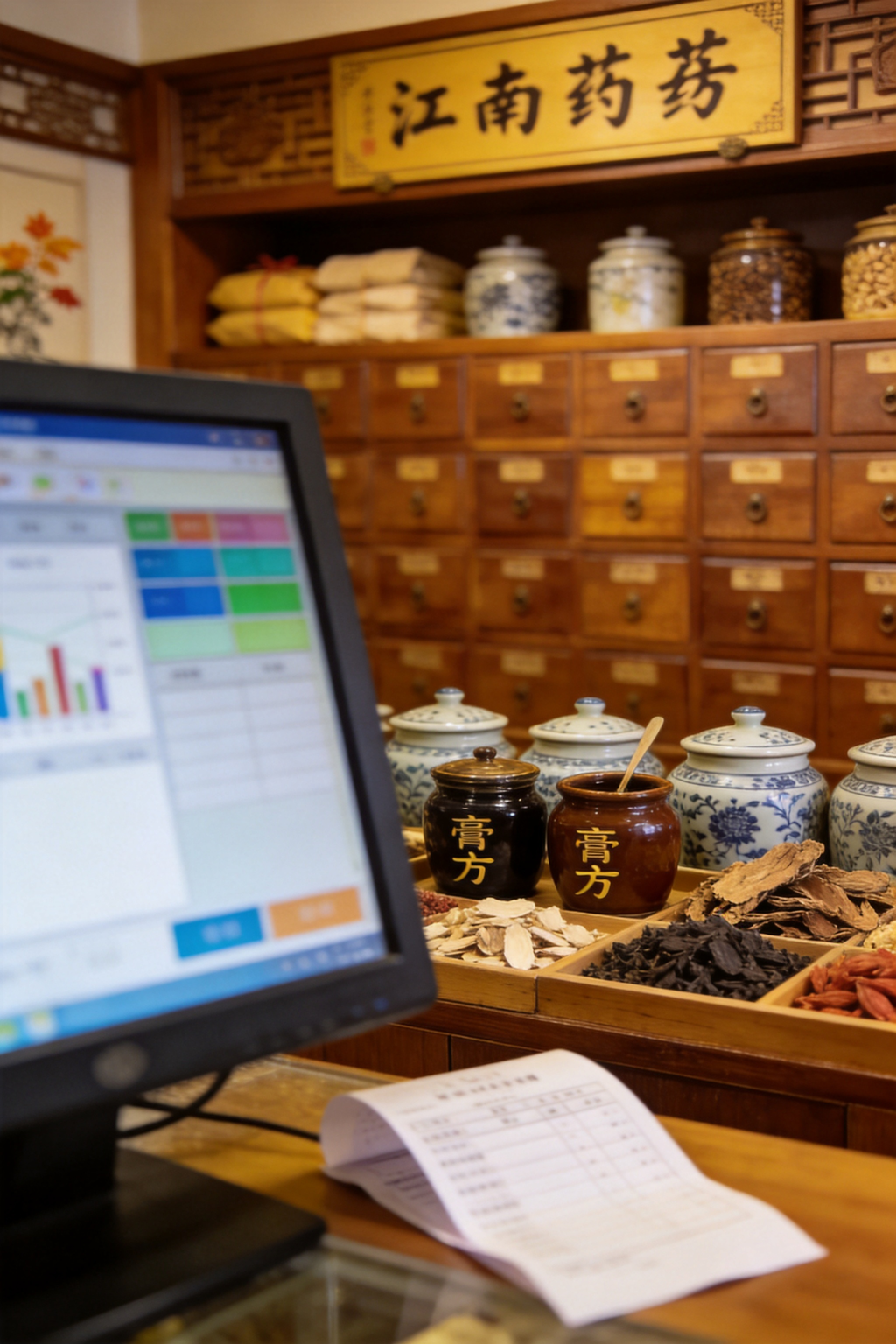
In October, the herbal paste festival at Suzhou Integrated Chinese and Western Medicine Hospital opens. At the end of September, Xinjiang published a list of collected health science works — 1,567 entries in total, many of them on food as medicine and identifying Chinese herbs. One is an old Jiangnan habit, the other a science-communication shortlist from the far west, thousands of kilometres apart, and both point at the same thing: food as medicine is moving from kitchen talk to content young people will actually click on. Here are the questions readers ask most.
Seasonal eating is a timetable, not a superstition
The Jiangnan region treats herbal paste (gaofang) as an autumn and winter dietary custom with centuries behind it, and the Suzhou hospital's festival is scheduled for October. The reasons it survived are practical — it keeps well and has a mild, smooth texture. In an era before refrigerators, this was a food form that could carry you through winter, not a mysterious formula. The same Xinjiang list includes a piece titled Spring Begins, Yang Qi Rises: A TCM Expert Teaches a "Yang-Protecting" Routine, submitted by the Sixth People's Hospital of the Autonomous Region and listed as a finalist. The point is not whether a solar term is "effective" — it is that the calendar divides the year into a rhythm of eating.
The old rules live in the texts and in the streets
Shishuo Xinyu records Gu Kaizhi eating sugarcane: while others started from the sweet root end, he worked from the bland tail section upward, and when asked why, he said he was "gradually reaching the finest state." That anecdote resurfaced around Mid-Autumn 2026 and became a small turning-point discussion. A single remark about eating sugarcane has sat in a book for more than a thousand years.
Records from the south sit closer to daily life. For generations in Lingnan, memory means a dark bowl of 24-herb cooling tea (niangwei liangcha) at a street stall, and old fire soup — aged winter melon with skin on, a small piece of aged chenpi, simmered slowly. That logic of pairing one ingredient with another recently appeared in rural Beijing: the intangible-cultural-heritage banquet at Tianyu Villa in Fangshan, with a specially invited Fangshan heritage teacher, brought speciality agricultural products from 18 townships onto one table, described by local media as Fangshan's cultural banquet (Fangshan District Media Centre, 1 October 2026). The texts record an attitude; the streets record a method. They are the same thing.
Young people buy in, but the setting has to change
They do — if you hand it to them in a different setting.
The Xinjiang list includes TCM Approaches to Osteoporosis: Food as Medicine, Eating Your Way to "Iron Bones" from Urumqi Hospital of Traditional Chinese Medicine; The Real and Fake Monkey King on the Tip of the Tongue — Three Ways to Expose Inferior Medicinal Food Ingredients from the Autonomous Region Hospital of Traditional Chinese Medicine; and Seven "Shen" Herbs, Seven Functions: A Chinese Herb Identification Guide for National Doctors' Day from the Sixth People's Hospital. Hospitals putting real effort into content shows the audience is there. Elsewhere, HKU SPACE offers an Advanced Diploma in Chinese Cultural Tourism Experience and Management, covering the conservation and revitalisation of Chinese cultural heritage and the building of cultural tourism destinations — culture is being turned into something that can be studied systematically.
The shift in setting is clearer still. PAKONTONG currently has one herbal tea and coffee shop, in City Balcony, Zhuhai. By day it brews herbal tea and makes new-Chinese-style coffee (chenpi, osmanthus and longjing going into coffee), alongside Chinese whole-leaf tea; after dark there are herbal craft brews and herbal cocktails. Herbs moving from the medicine cabinet to the bar counter, from bitter to taste, is the step that gets young people to sit down. Its 24-Herb Tea gift range comes in six varieties in individual small tins: Pak On Selection, Rose and Ejiao Nourishing, Chrysanthemum and Cassia Seed, Adzuki Bean and Coix Light, Ziziphus and Poria Sleep, and Ginseng and Polygonatum. A name people remember comes first; the culture gets its chance to be told slowly.

What this means for operators
First, build culture into a setting, not into copy. Young people do not reject herbs; they reject being told they ought to drink them. A space where people can sit, take a photo and bring a friend does more than ten slogans.
Second, let the calendar guide the range. Autumn and winter herbal paste, cooling tea when dampness is heavy — these are consumption motives with clear timing. Miss the window and all that is left is competing on price.
Third, hold the line on content. Seasonal eating habits, textual records, heritage craft — all fair to discuss. Do not overreach and describe an ingredient as a medicine. This is the easiest thing to overlook in this trade, and the easiest place to get into trouble.
Fourth, do not bet on a single channel. PAKONTONG places three things side by side: a physical experience store (with the Zhuhai City Balcony shop as the model), e-commerce flagship stores, and a private-domain mini-program for ordering, membership and orders. The logic is that one visit should leave behind a long-term relationship rather than a single completed sale.
The solar terms keep turning and cooling tea stays bitter. What is really changing is who can translate this old set of ideas into something today's customers will sit down to hear. This business has never been won on how remarkable a formula is, but on whether you understand how culture speaks.
Experience store, e-commerce store and mini program support.